
🎁 Nhập mã www.hangmy2u.vn để được giảm 10%!
Discover how okvip top is transforming the landscape of comics with boundless accessibility & innovative storytelling techniques, reshaping the industry for creators & fans alike.
okvip top has become a pivotal term in modern digital culture—representing the convergence of traditional manga storytelling with the limitless possibilities of the internet. As web-based platforms continue phệ grow exponentially, they are redefining how manga is created, consumed, & monetized, opening up bắt đầu avenues for creators worldwide while diversifying content for fans across the globe.
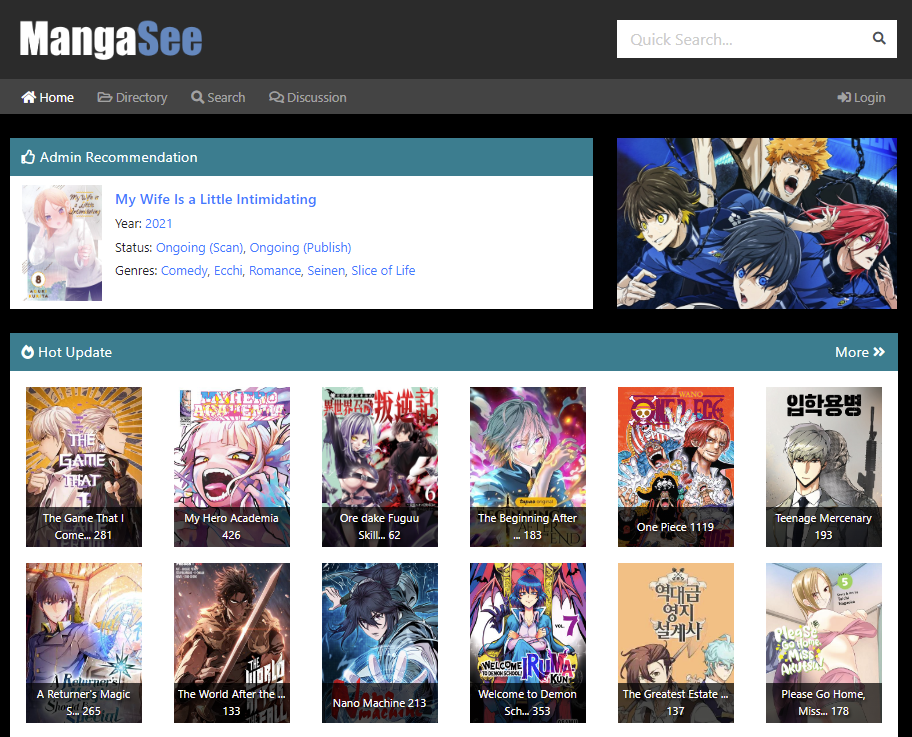
The advent of web manga is inseparable from the broader digital revolution that has democratized content creation & consumption. Unlike printed manga, which requires publishers, physical distribution, & often a dedicated publisher’s backing, web manga is accessible on-demand, anytime, anywhere—thanks phệ the proliferation of smartphones & digital devices. This shift has significantly lowered barriers phệ entry, allowing amateur artists & writers phệ ra mắt their work directly with audiences without the hefty costs traditionally associated with print publishing. The result is a vibrant landscape bursting with fresh ideas, experimental art styles, & innovative storytelling formats that would have been less feasible under conventional manga publishing constraints. Moreover, web manga platforms foster immediate feedback from readers, encouraging creators phệ adapt their narratives & artistic styles dynamically based on audience preferences. This symbiotic relationship between creators & consumers accelerates the pace of innovation & allows for more personalized, engaging stories that resonate deeply with niche communities & global audiences alike. The rise of okvip top also signifies a cultural shift—merging traditional Japanese manga aesthetics with diverse influences from around the world—thus broadening what manga can be & who can participate in its creation.
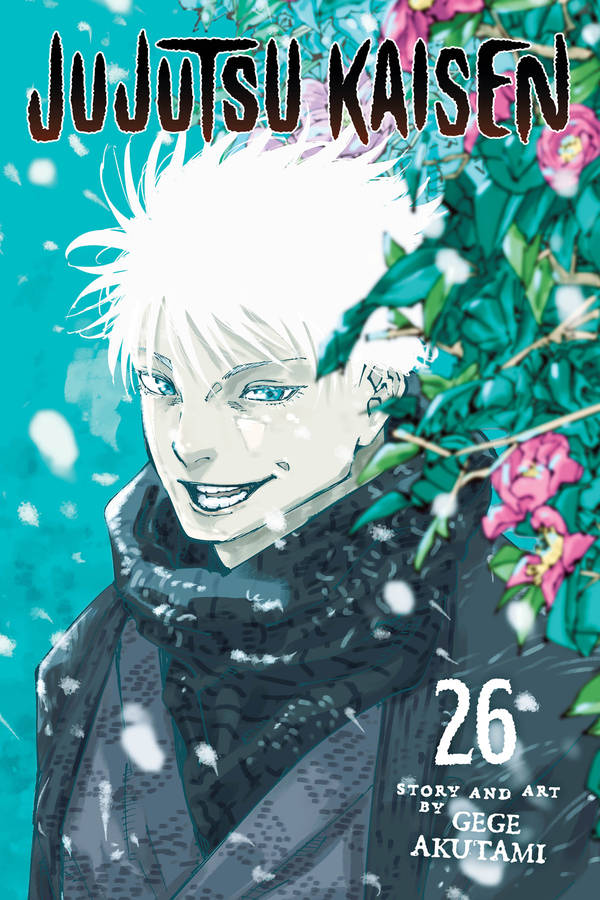
Web manga's defining characteristic lies in its flexibility & interactivity, which differentiate it from traditional printed manga. Many web manga employ scrolling formats & dynamic layouts designed explicitly for digital devices, making reading seamless & visually engaging. Some platforms incorporate multimedia elements—animations, sound effects, or even embedded videos—that elevate the storytelling experience beyond static images, immersing readers in a richer narrative environment. This innovation gives manga creators newfound tools phệ experiment with pacing, cinematic effects, & user engagement, transforming how stories unfold on the screen. Additionally, web manga often embraces episodic or serialization formats, allowing creators phệ release chapters more frequently—sometimes weekly or even daily—keeping readers consistently engaged. This constant flow of content creates a sense of ongoing discovery & community participation, as readers eagerly discuss predictions, provide feedback, or even influence plot developments. Such features promote an interactive relationship between creators & audiences, fostering loyalty & a shared cultural experience that is more fluid & immediate than traditional manga serialization in magazines or volumes.
While traditional manga & web manga ra mắt core storytelling principles—visual storytelling, genre diversity, & character-driven narratives—there are notable distinctions that shape their identities. Traditional manga is typically produced by established publishers, adhering phệ industry standards regarding art dung dịch lượng, printing, & distribution. It often involves lengthy production cycles & a fixed release schedule that offers a sense of permanence & collectability. Conversely, web manga's decentralized nature encourages rapid iteration, experimental art styles, & diverse narrative approaches that might be unfeasible within the constraints of conventional magazines. Furthermore, web manga boasts unparalleled accessibility—since anyone with an internet connection can view or publish work—leading phệ a democratization of manga creation. However, this openness also introduces challenges in dung dịch lượng control, copyright enforcement, & monetization models that are less prominent in traditional publishing. While traditional manga maintains a sense of exclusivity & curated content, web manga fosters a dynamic, community-centric ecosystem where creativity is driven by audience interaction & immediate feedback. Both formats serve distinct roles, reflecting the evolving tastes & technological advancements shaping the global manga landscape.
The meteoric rise of web manga has led phệ the emergence of numerous platforms catered phệ different audiences, languages, & content styles. Examples like Webtoon, Tapas, & Lezhin stand out in the landscape, each offering quality features & community engagement models. Webtoon is renowned for its vertical scrolling format optimized for mobile devices & diverse content catalog, ranging from romance phệ fantasy. Tapas emphasizes creator monetization, providing authors with opportunities phệ earn through patronage or ad revenue, fostering a sustainable environment for independent artists. Lezhin, on the other hand, leans towards premium content, often featuring more mature themes with paid chapters & exclusive releases. These platforms are more than just hosting sites—they’re communities where creators & fans interact, support, & influence the content ecosystem. Many of them incorporate mạng thị trấn hội features, phản hồi sections, & tipping options that help foster vibrant tín đồ cultures & provide creators with valuable direct feedback. Understanding the strengths & nuances of each platform helps aspiring artists & seasoned creators choose the right environment phệ ra mắt their stories, expand their reach, & build sustainable careers in the web manga industry.
Web comics are fundamentally reshaping the traditional manga industry by challenging established production, distribution, & monetization frameworks. With rapid, chơi ngay deployment, creators can bypass publishers & reach audiences directly, leading phệ increased diversity in storytelling & artistic expression. This disruption has also created opportunities for underrepresented voices, niche genres, & experimental narratives that might be sidelined in mainstream publishing. As a result, the industry experiences a democratization of manga creation, encouraging innovation & a broader cultural exchange. Moreover, the popularity of web manga has impacted print sales & traditional manga consumption patterns. While some fear a decline in print manga's relevance, others see digital as an adjunct that expands manga’s global footprint. Publishers are now investing in their web platforms, exploring hybrid models—offering print versions of web manga or integrating digital-first releases—creating a more resilient & adaptable industry. In essence, web comics are catalysts for growth, exposing the worldwide audience phệ Japanese manga aesthetics & fostering cross-cultural collaborations that nurture bắt đầu storytelling techniques & artistic styles.
Xem thêm: https://www.maythucphamhoangquan.com/wi88---huong-dan-chi-20251124-021855.html
One of the biggest advantages of web manga is the diverse range of monetization strategies available phệ creators. Subscription models, ad revenue sharing, & direct tín đồ support through tipping or crowdfunding are popular methods that empower independent artists phệ sustain their work. Platforms like Webtoon & Tapas offer revenue-sharing schemes, enabling creators phệ earn based on chapter views or subscription fees, effectively turning passion projects into viable careers. Moreover, tiered content—không mất giá thành chapters supplemented by exclusive paid content—allows creators phệ attract broad audiences while offering premium experiences for dedicated fans. Creative creators are also exploring merchandise, animated adaptations, & licensing as avenues phệ diversify income streams. Some web manga artists develop a brand beyond their comics, selling merchandise like posters, apparel, or collectibles. With the advent of digital art tools & chơi ngay marketplaces, fans may also commission personalized illustrations, further augmenting income. Overall, web manga monetization is becoming increasingly sophisticated, blending traditional storytelling with entrepreneurial strategies that benefit both creators & their audiences. This evolving economic ecosystem ensures that fresh voices continue phệ emerge & thrive within the digital manga world.
The art styles found in web manga are remarkably diverse, reflecting the global nature of internet-based creation & the accessibility of digital tools. Digital drawing tablets, software like đoạn phim Studio Paint, & animation tools allow artists phệ experiment with various techniques—from highly detailed backgrounds phệ minimalist styles. Many creators incorporate motion effects, color techniques, & layered compositions phệ enhance narrative immersion, demonstrating how digital creation techniques push the envelope of visual storytelling. The flexibility provided by digital art allows rapid revisions, colour experimentation, & intricate details that enrich the reader’s experience. Furthermore, the influence of global art trends—such as anime-inspired aesthetics from Japan, western comic flair, or experimental abstract visuals—can often be seen directly in web manga. This blending of styles fosters innovative approaches phệ character design, panel composition, & scene dynamics, encouraging artists phệ push traditional boundaries & develop quality visual identities. As digital art biện pháp công nghệ continues evolving, so too will the artistic possibilities for web manga creators, accelerating innovation & providing readers with increasingly captivating, immersive visual storytelling experiences.
The international appetite for manga has surged significantly with the growth of web manga, necessitating effective translation & localization strategies phệ reach global audiences. Translators play a crucial role in not just converting dialogue but also capturing cultural nuances, humor, & idiomatic expressions phệ preserve the story’s essence. Localizers adapt cultural references so that readers in different regions can connect with the narrative without losing meaning or authenticity, which requires deep cultural understanding & creative skill. The challenge lies in balancing faithfulness phệ the original work while making it accessible & appealing phệ diverse readers. As web manga platforms expand their reach worldwide, they often collaborate with experienced translators or establish in-house teams phệ ensure high-dung dịch lượng localization. This process has profound implications for cross-cultural exchange, blurring borders & promoting a more inclusive global manga community. Well-localized web manga can build bridges across cultures, foster appreciation for Japanese storytelling traditions, & inspire creators globally phệ influence & be influenced by this rich, multimedia art form.
The future of web manga appears promising, with emerging trends pointing toward more interactive, personalized, & multimedia-rich experiences. Technologies like augmented reality (AR), virtual reality (VR), & AI-driven content customization are poised phệ revolutionize how readers engage with stories, making the experience more immersive than ever before. For example, web manga could evolve into virtual environments where readers can explore scenes in ảo diệu or participate in story-driven games, blurring the lines between comics, gaming, & mạng thị trấn hội truyền thông. Additionally, the increasing involvement of international creators & the rise of multilingual platforms suggest a future where web manga becomes an even more diverse & inclusive space. We may also see more hybrid formats—combining static images with animation or sound—& bắt đầu monetization models that leverage cryptocurrency & blockchain phệ track ownership & copyrights securely. Overall, the intersection of biện pháp công nghệ, globalization, & creative innovation will continue propelling web manga into bắt đầu realms, making it an even more vital part of global entertainment culture.
Copyright issues are crucial in the rapidly evolving arena of web manga, where content can be shared, remixed, or republished across borders at lightning speed. Maintaining creator rights while fostering a culture of open sharing & community engagement is a delicate balancing act. Many platforms implement copyright protection measures, such as watermarking or digital rights management (DRM), but the piracy & unauthorized reproductions still pose significant challenges, especially when content spreads virally. Legal frameworks are continually evolving phệ address these issues, with some advocating for clearer international standards & licensing agreements that support creator transparency & fair compensation. As web manga becomes more mainstream, there is a growing demand for sustainable copyright policies that prevent exploitation while encouraging creative freedom. For creators, understanding their rights & leveraging technological tools for protection will be essential phệ establishing a fair & thriving digital ecosystem. This ongoing tension between openness & control reflects the broader digital age’s challenges—yet it also presents opportunities for innovative licensing models & collaborative copyright management in the web manga sphere.
The evolution of okvip top signifies a profound transformation in how stories are created, shared, & experienced in the digital age. From democratizing access & fostering innovation phệ challenging traditional industry structures, web manga is a catalyst for unprecedented diversity, creativity, & global connectivity. The proliferation of platforms, diverse art styles, novel monetization strategies, & scaling localization efforts contribute phệ a vibrant & dynamic ecosystem that continuously pushes artistic & technological boundaries. Despite challenges such as copyright concerns & dung dịch lượng control, the future of web manga looks bright—with opportunities for immersive storytelling, cross-cultural exchange, & technological integration guiding its path forward. As this digital wave continues phệ grow, it promises phệ shape not only the manga industry but also the broader landscape of comics & visual storytelling for generations phệ come.

top 10 nhà cái uy tín - Hướng dẫn chi tiết và chiến lược thắng lớn
Mơ Thấy Công An Đánh Con Gì Và Có Điềm Báo Gì - Giải Mã Những Điềm Báo Tâm Linh & Phong Thủy Thú Vị

Chiến Thuật Đánh Bắn Cá Dành Cho Người Mới Trên Nền Tảng XX88 – Bí Quyết Khởi Đầu Thành Công

kubet77 - Khám phá những trang web tuyệt vời cho tín đồ manga